Using Tomato Leaf Powder as a Natural Green Colorant in Soap
Using Tomato Leaf Powder as a Natural Green Colorant in Soap
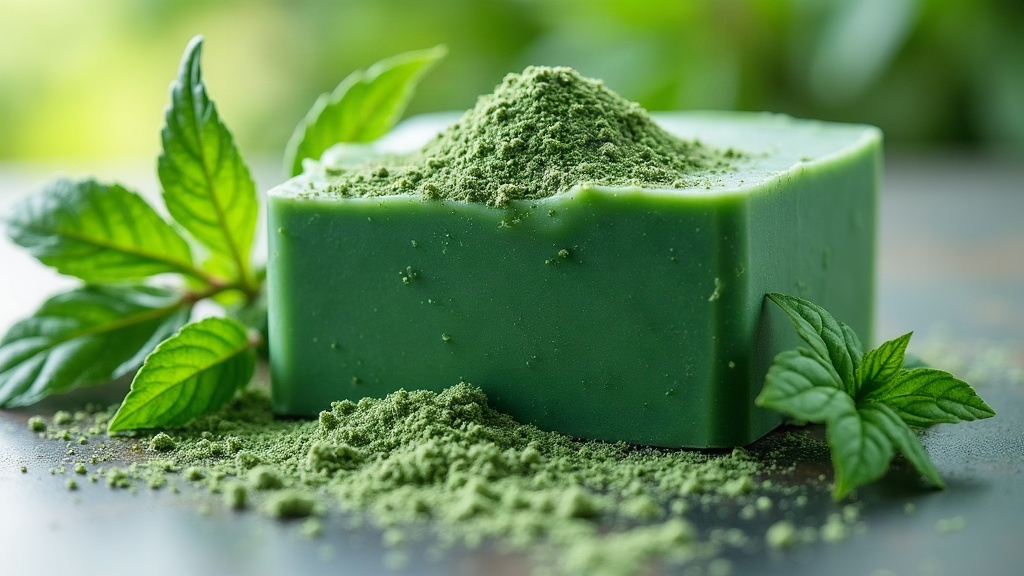
Tomato leaf powder is one of those backyard discoveries soap makers stumble onto almost by accident. Dry out the leaves, grind them down, and you’ve got a homemade botanical colorant that gives cold-process soap a muted, earthy green, the kind of shade synthetic dyes just can’t fake convincingly. The color comes from chlorophyll and a handful of other plant pigments trapped in the foliage. Below: how to make the powder, how much to use, how to work it into your batter, what color to actually expect (manage those expectations now), and the safety details worth knowing before you start stripping leaves off the vine.
Why Green Is One of the Hardest Soap Colors
Anyone who’s tried to make green soap knows the headache. Cold-process soap runs a high pH, typically 9 to 11 during saponification, and that alkaline bath is rough on plant pigments. Really rough.
- Spirulina starts out a gorgeous blue-green and then, within weeks, fades to tan or brown.
- Spinach and parsley powder often drift toward olive, grey, or an unappetizing brown.
- Matcha and green tea mellow into a soft sage or khaki, nothing like the vivid green in the cup.
- A lot of green additives oxidize and shift tone over the first few weeks of cure.
So it’s no surprise makers keep hunting for a botanical that actually holds its color. Tomato leaf powder won’t give you neon green (don’t expect it), but it does hold a stable, natural-looking shade with a warm, slightly olive undertone, the kind that fits a rustic, garden-themed bar perfectly.
What Tomato Leaf Powder Brings to the Soap Pot
The green in tomato leaves comes from chlorophyll, the same pigment that colors spinach, nettle, and wheatgrass. But the leaves aren’t just pigment. They also carry:
- Tannins, which can lend the finished bar a mild astringent quality.
- Natural waxes and cutins from the leaf surface, contributing a subtle texture you might notice in the lather or bar feel.
- Tomatine, a glycoalkaloid compound unique to tomato foliage. This is the main reason usage rates and honest labeling matter (more on that below).
Soap is a wash-off product, so skin contact time is short. Still, careful makers keep the amount modest and test every single batch before calling it final.
How to Make Tomato Leaf Powder at Home
If you already grow tomatoes, this costs you basically nothing and takes maybe 20 minutes of hands-on work spread over a week or two.
- Harvest clean leaves. Choose healthy, pest-free foliage from plants that haven’t seen pesticides or fungicides.
- Wash and dry. Rinse well, then pat completely dry. Any lingering moisture invites mold, and mold ruins the whole batch.
- Dehydrate. Use a food dehydrator at 95–115°F (35–46°C), a low oven with the door propped open, or just hang the leaves in a dark, airy spot until they crumble between your fingers.
- Grind to a powder. Pulse the dried leaves in a coffee grinder or blender, then sift through fine mesh to strain out stems and chunky bits.
Keep the finished powder in an airtight jar, somewhere dark and dry. Light and air break down chlorophyll fast, so a cool, shadowed cupboard is your best bet for keeping that green intact longer.
How Much to Use (Usage Rates)
Start small. Overdoing botanical powder leads to crumbly, scratchy bars, or soap that goes rancid before its time.
- Light tint: 1 teaspoon per pound of oils.
- Medium green: 1 tablespoon per pound of oils.
- Deeper green: up to 2 tablespoons per pound of oils, though at this level you’ll likely see more speckling and a rougher texture.
Write down exactly what you used, every time. That’s the only way to recreate a batch that turned out great, or fix one that didn’t.
How to Add It: Oil Infusion vs. At Trace
Two methods work reliably here, and they give noticeably different results.
Oil Infusion (Recommended)
Steeping the powder in your base oils draws out the chlorophyll gradually, which means a more even color and far fewer speckles in the final bar.
- Drop the powder into a jar with a portion of your liquid oils.
- Let it sit and infuse for 1–2 weeks somewhere warm, giving it a shake once a day.
- Strain through a fine cloth, then use the infused oil as part of your recipe’s oil total.
Add at Trace
Short on time? Whisk the powder into a small amount of batch oils to make a slurry, then blend it into your soap at thin trace. You’ll get a more speckled, textured finish, and honestly, a lot of makers love that look. It reads as handmade, which it is.
What Color to Expect
Set the right expectations before you pour, because tomato leaf powder is not going to shock anyone with brightness. What you’ll actually get:
- A muted, olive-to-sage green in light-oil, otherwise uncolored recipes.
- A warmer, khaki-green when honey, oat milk, or darker oils like olive pomace are in the mix.
- Gradual fading over several months, slower than most other plant-based greens, but it still happens.
Final color depends on your base recipe, how much powder you used, and how long the bars cure. A bar that looks promisingly green fresh out of the mold will often mellow into something softer by week four. That’s normal, not a failure.
Safety and Skin Considerations
Since tomato leaves contain tomatine, a few sensible precautions go a long way:
- Use small amounts. Stay on the lower end of the usage range, particularly for bars you plan to sell.
- Avoid facial soaps. Keep tomato leaf soaps to body and hand bars; facial skin is more delicate and deserves gentler ingredients.
- Label honestly. Selling your soap? List the ingredient plainly so buyers know exactly what they’re getting.
- Watch for allergies. Anyone with a known nightshade sensitivity (tomatoes included) should skip these bars entirely.
Soap rinses off quickly, so the actual risk is low. But honest labeling and a light hand on dosage are what keep a natural colorant like this a responsible choice rather than a gamble.
Alternatives to Tomato Leaf Powder
Want a brighter green, or just curious what else is out there? Consider:
- Nettle leaf powder, a reliable classic for green soap.
- Spirulina, brighter up front but it fades noticeably faster.
- French green clay, a mineral-based green that holds its color well, though it can thicken your batter quickly.
- Indigo + yellow botanicals, layered together for a custom green you control.
Tomato leaf powder holds its own among these options: cheap, grown in your own backyard, and carrying an earthy tone none of the others quite replicate.
Conclusion
Turning garden waste into a working, attractive colorant is one of the small pleasures of making soap from scratch. Dry the leaves, grind them yourself, infuse the powder into your oils for the smoothest color, and start at one teaspoon per pound of oils until you land on a shade you like. Don’t expect vivid green, expect soft olive-to-sage instead, keep your doses modest, and label clearly if you share or sell your bars. Give it a few test batches and tomato leaf powder earns a permanent spot in your natural soap color kit.