Activated Charcoal vs Bamboo Charcoal in Detox Cold Process Soap
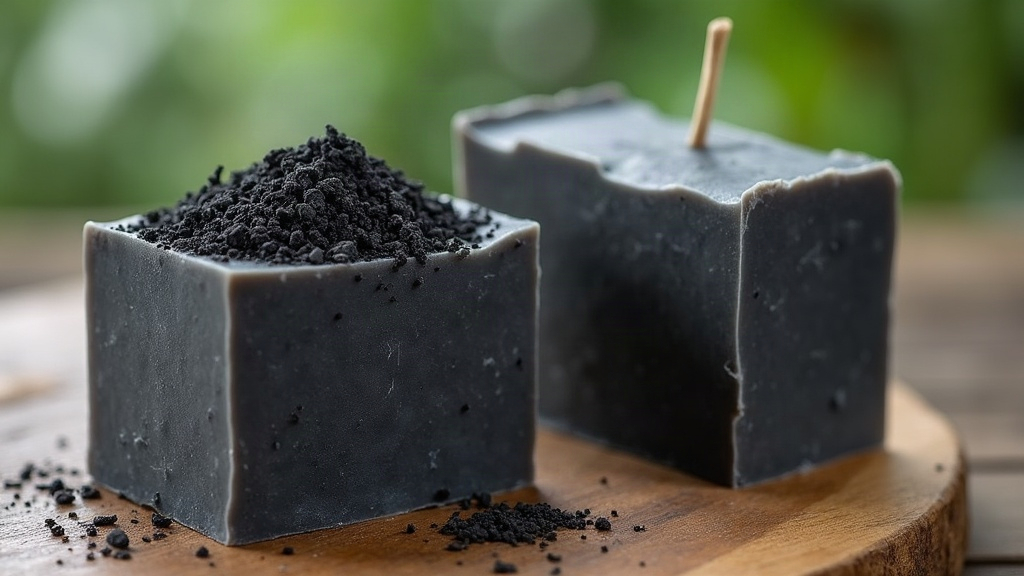
Both activated charcoal and bamboo charcoal show up constantly in detox cold process soap recipes, and for good reason: they pull impurities out of pores and leave skin with that clean, matte finish people chase. But they’re not interchangeable. The source, the strength of absorption, the texture, even how they act once saponification kicks in, all differ. So if you’re trying to pick one for your next batch (or just eyeing a bar at the farmers market), here’s what the differences actually mean in practice.
What Is Activated Charcoal?
Activated charcoal usually starts as coconut shells, wood, or peat. That raw material gets heated to extreme temperatures, then “activated” using gases or chemicals. The result is a structure riddled with microscopic pores, so porous that the surface area goes through the roof compared to plain charred wood.
Key traits:
- Extremely high adsorption capacity. It latches onto oils, bacteria, and toxins almost on contact
- A fine, feather-light black powder that gets everywhere if you’re not careful (ask anyone who’s dusted a countertop with it)
- Used well beyond skincare: poison treatment in ERs, water filtration systems, even aquarium filters
- Can tip into drying territory if you go heavy-handed, since it strips oil so efficiently
In cold process soap, soapmakers typically add it at trace, somewhere around 1 to 2 teaspoons per pound of oils. The payoff is a bar that goes truly black or deep charcoal-gray, and it’s become something of a default pick for oily or acne-prone skin formulas.
What Is Bamboo Charcoal?
Bamboo charcoal takes a different road: bamboo stalks carbonized at high heat, often through a slower, more traditional burn than the industrial process behind standard activated charcoal. It’s still porous, sure, but the pore structure leans a bit less microporous and the material itself carries more minerals along for the ride.
Key traits:
- Carries trace minerals from the plant itself, think potassium and calcium
- Adsorbs more gently, which makes it a better fit for sensitive or combination skin
- Colors soap a softer gray rather than the jet black you get from activated charcoal
- A staple in Japanese and Korean beauty lines, usually marketed as a “purifying” ingredient
Day to day, bamboo charcoal soap just feels less stripping. For anyone chasing the detox look without the tight, squeaky-clean-to-the-point-of-uncomfortable feeling, it’s the easier bar to live with.
Head-to-Head Comparison
| Feature | Activated Charcoal | Bamboo Charcoal |
|---|---|---|
| Source | Coconut shell, wood, peat | Bamboo stalks |
| Adsorption power | Very high | Moderate-high |
| Best for | Oily/acne-prone skin | Normal/combination/sensitive skin |
| Soap color | Deep black | Soft charcoal gray |
| Mineral content | Low | Higher (potassium, calcium) |
| Drying potential | Higher if overdosed | Lower |
Which One Detoxifies Better?
If raw pore-clearing power is what you’re after (oily T-zones, blackheads, that post-gym grime), activated charcoal wins hands down. More surface area means more room to trap sebum and debris, plain and simple.
But “detox” doesn’t have to mean maximum aggression. For normal-to-dry skin, or anyone whose skin reacts to just about everything, bamboo charcoal clarifies without hammering the skin barrier. That matters more than people realize, because cold process soap is already alkaline by nature and can strip skin on its own, no charcoal required.
How to Choose for DIY Soap Making
- Making soap for oily/acne-prone skin? Stick to activated charcoal and go light: 1 teaspoon per pound of oils does the job. More isn’t better here, it just means more black residue swirling down the drain after a shower.
- Making a gentle everyday facial bar? Bamboo charcoal pairs nicely with kaolin clay or colloidal oatmeal, giving you a balanced bar that clarifies without drying skin out.
- Worried about mess? Activated charcoal’s powder is finer and stains washcloths and tubs more readily. Bamboo charcoal’s slightly coarser texture is more forgiving to work with.
- Want a marbled or two-tone bar? Use both. Bamboo charcoal makes a nice lighter swirl, while activated charcoal gives you that deep black accent layer for contrast.
Common Questions
Does charcoal soap actually remove toxins from skin? “Detox” here is mostly marketing language, not a clinical claim. Charcoal binds surface oil, dirt, and some bacteria, it doesn’t reach down into deep tissue and pull toxins out. That said, the oil-absorbing effect is genuine, and most people notice less shine and fewer clogged pores after regular use.
Can I use both charcoals in the same soap batch? Absolutely. Plenty of soapmakers combine the two, both for the visual layering (black against gray looks great in a bar) and for a detox effect that’s strong where it’s needed and gentler everywhere else.
Is bamboo charcoal soap better for sensitive skin? Generally, yes, thanks to its milder adsorption and mineral content. Still, patch test first. Cold process soap’s pH can irritate very reactive skin regardless of what additive you throw in.
Final Verdict
Go with activated charcoal if maximum pore-clearing strength is the goal, especially for oily or congested skin. Go with bamboo charcoal if you want a gentler, mineral-rich bar for everyday use on normal or sensitive skin. Honestly, a lot of the best detox cold process soaps split the difference, using activated charcoal’s strength alongside bamboo charcoal’s balance so the bar cleans deeply without leaving skin feeling raw.