Spiced Orange Pomander Cold Process Soap for Christmas Gifts
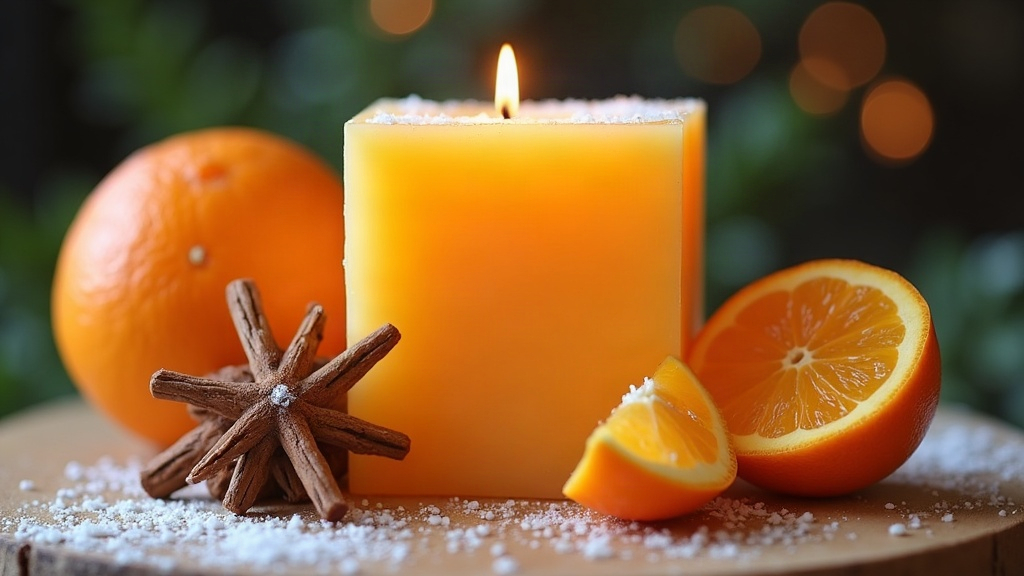
Spiced Orange Pomander Cold Process Soap: A Holiday Classic You Can Make at Home
Spiced orange pomander cold process soap bottles up the exact smell of those clove-studded oranges your grandmother probably made every December, except this time you get something you can actually lather up with. It’s one of the most giftable projects you can pull off during the holiday rush. Below you’ll find the full recipe, a few fixes for when things go sideways, and some packaging ideas so the final bars look as good as they smell.
Why This Soap Makes a Great Christmas Gift
Pomanders (oranges pressed full of whole cloves) go back centuries as a winter tradition, standing in for warmth, abundance, and that general “the holidays are here” feeling. Turn that scent into cold process soap and you get a few things going for you at once:
- A gift that actually feels handmade instead of grabbed off a shelf at the last minute
- Real shelf life, since cured cold process soap holds up for months, not weeks
- A scent that doesn’t alienate anyone the way syrupy-sweet holiday fragrances sometimes do
- A budget-friendly option once you’re making it in batches for coworkers, teachers, or the neighbor who always waters your plants
Ingredients You’ll Need
Base Oils (for a 32 oz batch)
- 14 oz olive oil
- 8 oz coconut oil
- 6 oz sustainable palm oil (sunflower oil works too if you’d rather skip palm)
- 4 oz castor oil
Lye Solution
- 4.5 oz sodium hydroxide (lye)
- 10.5 oz distilled water
Fragrance and Color
- 1.5 oz sweet orange essential oil
- 0.5 oz clove bud essential oil (go easy here, it speeds up trace fast)
- 1 tsp ground cinnamon or cinnamon oxide colorant (optional, gives you a warm brown swirl)
- Orange and brown mica powders for decoration
Safety note: Lye goes into water, never water into lye. Gloves and goggles stay on for the entire process, no exceptions.
Step-by-Step Instructions
1. Prepare Your Workspace
Lay down newspaper or a silicone mat and get your mold, stick blender, digital scale, and thermometer within reach. Cold process soap is a precision game, so weigh everything. Eyeballing measurements here is how batches get ruined.
2. Mix the Lye Solution
Add the lye to your distilled water slowly, in a space with good airflow. It’ll heat up fast and throw off fumes, so don’t lean over the bowl. Let it cool to around 100-110°F before you even think about combining it with the oils.
3. Melt and Combine Oils
Melt the coconut and palm oils together first, then stir in the olive and castor oils. Try to get the oil temperature close to the lye solution’s temperature. Matching temps gets you a smoother trace later.
4. Blend to Trace
Pour the lye solution into the oils and pulse your stick blender in short bursts. You’re aiming for light to medium trace, roughly the thickness of thin pudding.
5. Add Fragrance and Color
Clove essential oil can seize trace in seconds, so add fragrance last and move quickly once you do. If you want that orange-and-brown swirl look, split the batter now, color one half with orange mica, and leave the other natural or tint it brown with cinnamon.
6. Pour and Swirl
Layer the two batters into your mold, alternating as you go, then run a skewer through the top in a zigzag for that marbled, pomander-style finish. A light sprinkle of dried orange peel or clove powder on top adds texture, but keep it minimal since clove can irritate skin in larger amounts.
7. Insulate and Unmold
Cover the mold with a towel to hold heat in during gel phase. Leave it alone for 24-48 hours before unmolding and slicing into bars.
8. Cure
Set the bars on a rack somewhere cool and dry, and let them cure for 4-6 weeks. Don’t skip this. It’s what lets the excess water evaporate out, and it’s the difference between a harsh bar and a mild, long-lasting one.
Troubleshooting Common Issues
- Soap seizes too fast: Clove oil is usually the culprit. Pre-mix your fragrance with a tablespoon of oil pulled from your recipe before blending it in; that buys you a little extra working time.
- Fragrance fades after curing: Keep finished bars in an airtight container while they cure. Open air during those 4-6 weeks will cook off scent faster than you’d think.
- Soap discolors unevenly: Some fragrance oils carry natural vanilla content that causes browning over time. It’s normal, and honestly it tends to fit right in with the spiced, rustic look you’re going for anyway.
Gifting Ideas for the Holidays
- Wrap single bars in brown kraft paper, tie with twine, and tuck in a dried orange slice
- Stack three bars in a mason jar and label it “Spiced Orange Pomander Soap”
- Add a handwritten card listing ingredients and how to use the bar
- Build a mini gift set pairing the soap with a lip balm or candle in the same scent family
Final Thoughts
Spiced orange pomander cold process soap takes a nostalgic, almost old-fashioned holiday smell and puts it into something people actually use every day. Measure carefully, don’t rush the cure, and put a little thought into the wrapping, and you’ve got a gift that reads as both handmade and genuinely nice, without blowing your budget. Once the base recipe feels second nature, start playing with your swirl patterns and spice ratios. Every batch can end up with its own personality.