How to Prevent Dreaded Orange Spots (DOS) in Cold Process Soap
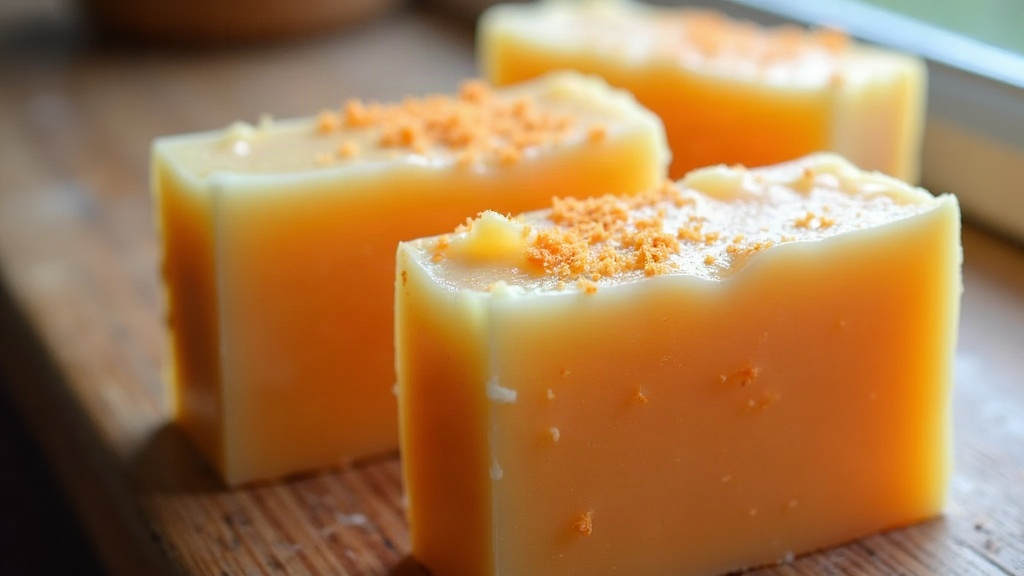
Dreaded Orange Spots (DOS) are those small rust-colored or orange blemishes that show up on cured cold process soap, sometimes weeks after you made it, sometimes a year later. They’re a sign that the oils in your bar have gone oxidatively rancid, and here’s the hard truth: once DOS appears, that bar is done. You can’t reverse it, only prevent it in the next batch. The good news? With the right oils, the right additives, and smart curing habits, DOS is almost entirely avoidable.
What Exactly Is DOS?
Think about what happens to a bottle of cooking oil left open on a shelf for too long. It goes rancid. That’s essentially what’s happening inside your soap when DOS shows up, the unsaturated fats are oxidizing and breaking down. The spots themselves tend to look like this:
- Orange, yellow, or brown in color
- Circular or splotchy, usually starting right at the surface
- Paired with a faint “crayon” smell at first, which can turn musty and oily as things get worse
This is different from glycerin rivers or soda ash, which are purely cosmetic issues. DOS means the fats themselves are chemically degrading. Is a DOS-covered bar dangerous to use? Not really. But between the smell and the appearance, nobody’s going to want to buy it, and you probably won’t want to use it either.
Why Does DOS Happen?
Three things typically line up to cause this:
- Unsaturated oils — Oils rich in oleic, linoleic, and linolenic acids (hemp, flaxseed, sunflower, grapeseed, and certain olive oils) oxidize much faster than saturated fats like coconut or palm.
- Exposure to oxygen, heat, and light — All three speed up the oxidation reaction, sometimes dramatically.
- Trace contaminants — Metal ions from tap water or old equipment, oils that were already a bit rancid before you even started, or old animal fats can all act as catalysts that kickstart the process.
How to Prevent DOS: Step-by-Step
1. Use Fresh, High-Quality Oils
Check expiration dates. Smell your oils before pouring them into a batch. If an oil smells even slightly “off,” rancid soap is coming out the other end, no amount of careful process can undo that. A practical rule: buy only what you’ll use in 6 to 12 months, and store oils somewhere cool, dark, and sealed.
2. Add Antioxidants
If you do nothing else on this list, do this one. It’s the single biggest lever you have.
- Rosemary Oleoresin Extract (ROE): Use it at 0.1–0.2% of total oil weight. This is the industry-standard additive for extending soap shelf life, and for good reason.
- Vitamin E (Tocopherols): Add at 0.5–1% of oil weight as a secondary boost alongside ROE.
Mix these into your melted oils before combining with the lye solution, that way they distribute evenly through the whole batch instead of pooling in one spot.
3. Limit High-Risk Oils
Flaxseed, hemp, and sunflower oils are notorious DOS triggers because of how much unsaturated fat they carry. Keep them under 10–15% of your total recipe. If you really want to push higher, pair them with a generous dose of antioxidants.
4. Use Distilled Water, Not Tap Water
Tap water carries trace minerals and metal ions that can act as oxidation catalysts without you even realizing it. Switching to distilled or filtered water removes that variable from the equation entirely, one less thing to worry about.
5. Avoid Metal Contamination
Stick to stainless steel, silicone, or plastic for your tools and molds. Aluminum is the one to avoid; it reacts with lye and can introduce trace metals that accelerate rancidity.
6. Cure in the Right Environment
Once unmolded, bars need to sit on a rack with good airflow, away from sunlight and heat:
- Ideal temperature range: 60–75°F (15–24°C)
- Skip humid bathrooms, garages, or hot attics entirely
- Keep bars away from direct window light, even indirect sun exposure adds up over weeks
7. Store Finished Soap Properly
After curing, wrap each bar individually, shrink wrap, paper, or some other breathable packaging, and keep them in a cool, dry, dark spot. One mistake people make constantly: stacking unwrapped bars in sealed plastic bins. That traps both moisture and heat, which is basically an invitation for DOS.
8. Don’t Overload Superfat
Superfat is the percentage of oil left unsaponified in your finished bar, essentially free oil sitting there, raw and unreacted. The higher that number, the more material you have available to go rancid. For soaps built with DOS-prone oils, stay in the 5–8% range rather than reaching for 10% or more.
How Long Does It Take for DOS to Appear?
Anywhere from a few weeks to a full year, honestly. It depends heavily on your recipe. Castile soaps (heavy on olive oil) are famously slow to show DOS, sometimes taking 8 to 12 months before anything shows up. That’s exactly why testing a new recipe for several months, just letting it sit and watching it, is such a smart habit before you ever sell a batch.
Can You Fix Soap That Already Has DOS?
Short answer: no. Once oxidation starts, there’s no putting it back. Your realistic options are:
- If the spot is small and localized, cut it away and use the bar yourself, just don’t sell it
- Treat it as a learning opportunity: write down the recipe, the oils used, and the storage conditions so you can pinpoint what went wrong
- If DOS is widespread or the smell is strong, just toss the batch
Final Thoughts
DOS is preventable. It’s not some random curse that strikes certain batches for no reason. Fresh oils, a solid dose of ROE and Vitamin E, distilled water, keeping unsaturated oils in check, and curing and storing bars somewhere cool, dark, and well-ventilated, do those things consistently and your soap will stay stable and sellable well past the one-year mark. Build prevention into your formulation from day one. It’s a lot less work than trying to figure out what went wrong after the fact.